Anyone who lifts weights regularly knows: strength isn’t everything. At some point progress stalls in the squat, your back rounds in the deadlift or your shoulder twinges on the bench press. Often what’s missing then isn’t muscle mass, but mobility, stability and control. This is exactly where Pilates and strength training complement each other perfectly.
Two paths to strength
Strength training works with heavy weights and large muscle groups. Pilates goes deeper. It strengthens the small stabilising muscles around the spine, pelvis and shoulders that work in the background under heavy loads. These deep stabilisers make sure your joints are protected in every position. When they are strong, you can use your big muscles more effectively.
More range of motion
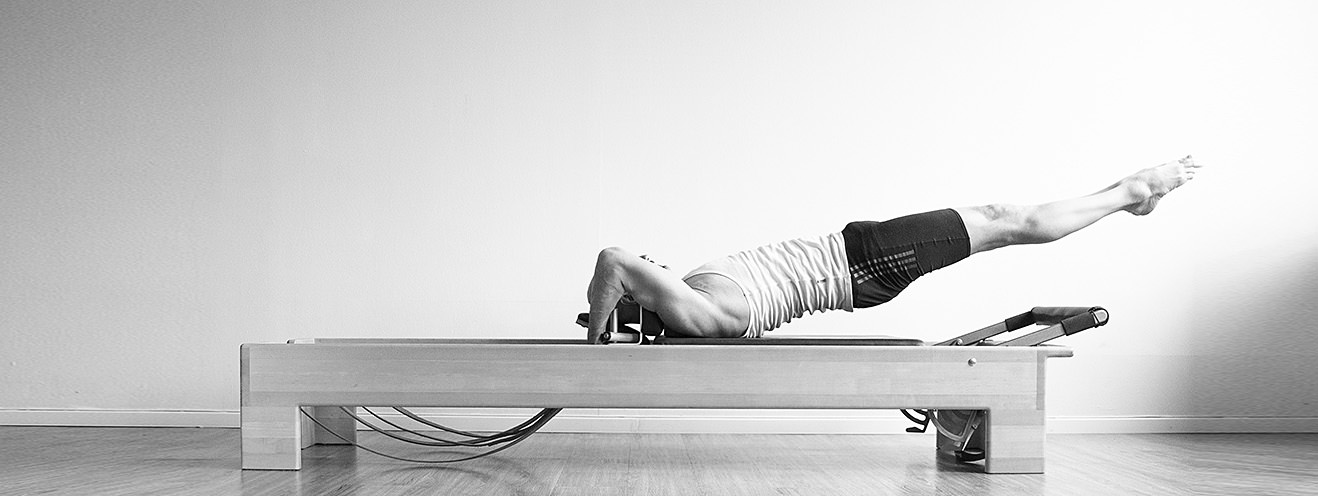
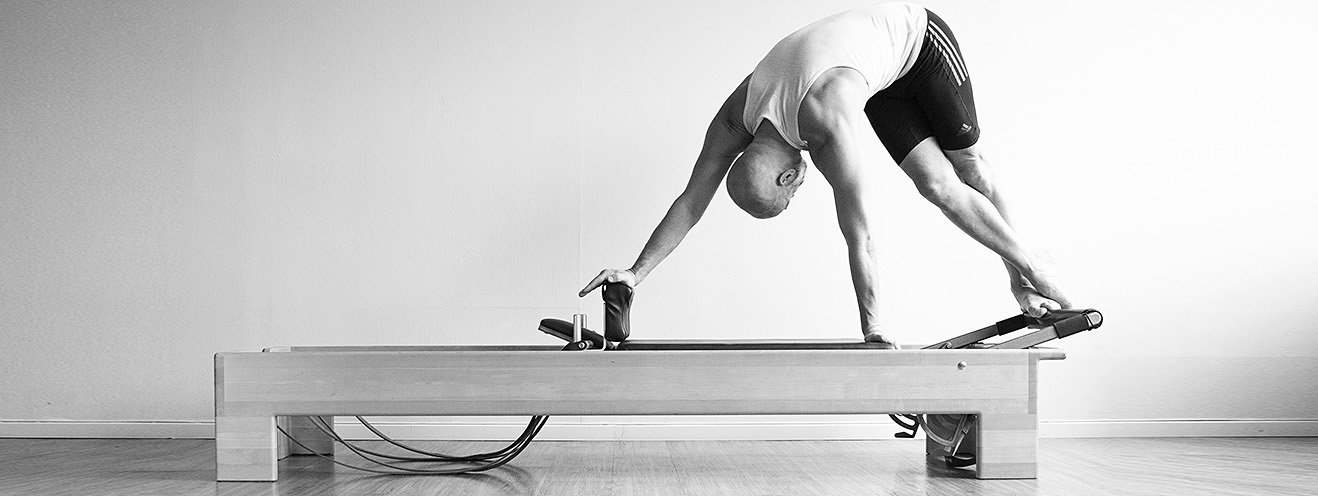
A deep squat requires mobile ankles and hips and a stable spine. Many strength athletes are strong but immobile. Pilates combines strengthening and stretching in one movement. On the Reformer you work with spring resistance through large ranges of motion. You not only become more mobile, but also strong in the end position – exactly where you need control when lifting.
Technique starts in the mind
Pilates trains your body awareness. You learn to activate individual muscles in a targeted way, keep your pelvis neutral and guide the movement consciously. This precision carries over directly to your technique. Suddenly you feel whether your hips work first in the deadlift or whether your knee collapses inwards in the squat.
Breathing and tension
In strength training, core tension is crucial for heavy loads. Pilates teaches you to consciously connect breathing and body tension. You learn to stabilise your centre without holding your breath. That gives you confidence in heavy sets and protects your lower back.
Relief for your joints
Heavy weights put strain on joints and tendons. Pilates is joint-friendly yet challenging. It is ideal as active recovery between intense strength sessions. You stay active, support recovery and work on your weak spots at the same time.
Don’t underestimate the springs
Anyone who thinks Pilates is easy quickly learns otherwise on the Reformer. Controlled movements without momentum, slow repetitions and single-leg exercises make even strong muscles shake. The focus is on quality, not weight.
Conclusion
Strength training builds muscle; Pilates makes sure you use it cleanly and safely. Together they create a strong, mobile and resilient body.
At ElbPilates in Ottensen you train classical Pilates in small groups. Get started with our Intro classes in the timetable.