A twinge when getting up, a stiff neck after a long day at the desk, pain in the lower back after carrying the shopping. Almost everyone knows back pain. Often there is no serious condition behind it, but a mix of too little movement, one-sided strain and weak muscles. Pilates addresses exactly that.
Why your back hurts
Our spine is held by many muscles. The deep layers are particularly important: the transverse abdominal muscle, the small muscles along the spine and the pelvic floor. They work like an inner corset. If you sit a lot, move little or always make the same movements, this corset weakens. Then superficial muscles take over the work of holding you up, tense up and hurt.
Centring as the key
At the heart of Pilates is the so-called powerhouse – the deep muscles around the pelvis, abdomen and back. Every exercise begins by activating this centre. It stabilises the body from the inside out, provides support and relieves the spine. Over time, this stability becomes a habit, in everyday life too.
Movement instead of rest
With back pain, many people tend to take it easy. But resting all the time weakens the muscles further. Pilates offers a middle way: gentle, controlled movements that mobilise the back without overloading it. Every vertebra is moved, stuck tissue is released, circulation improves.
The Reformer as support
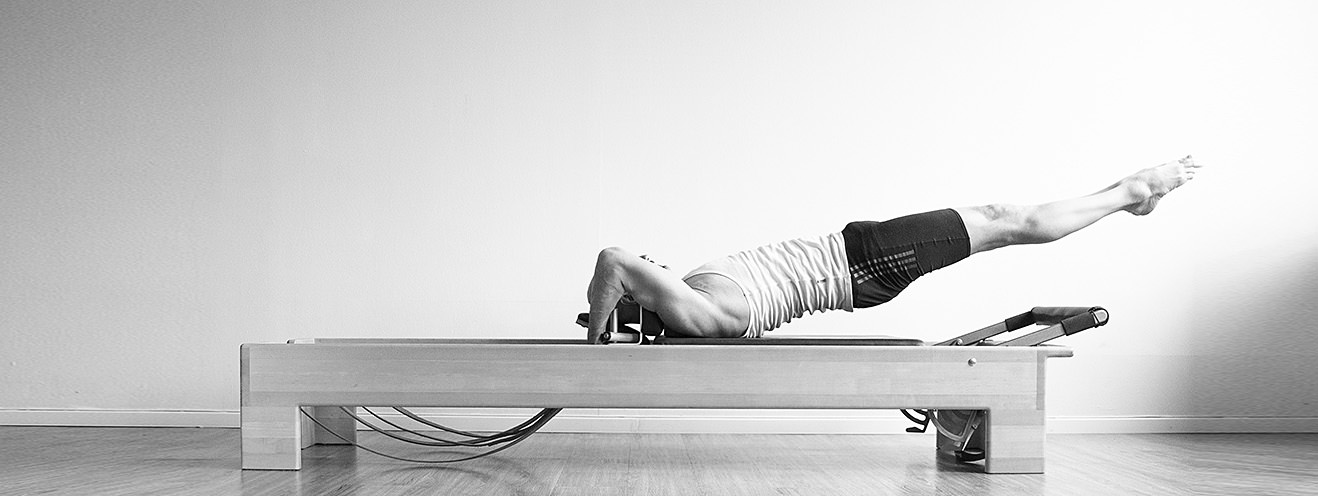
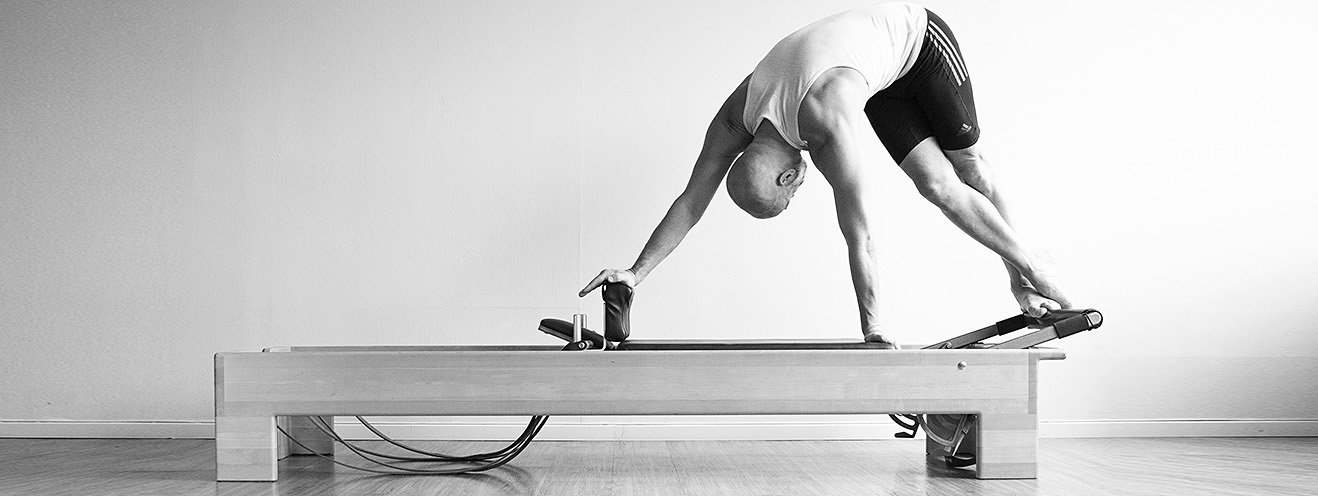
On the Reformer, springs can not only challenge you but also support you. Movements that would be too strenuous on the mat become possible. At the same time, the Reformer gives you clear feedback on your position. You feel whether your pelvis stays stable or shifts. That way you learn to move your back consciously and gently.
Posture in everyday life
Pilates improves not only strength but also body awareness. You notice faster when you slump at your desk or arch your lower back when lifting. This awareness is often the most important step towards a pain-free back.
Important before you start
If you have acute or chronic pain, talk to your doctor or physiotherapist before your first session. Tell your instructor about your complaints before class so the exercises can be adapted. With more severe complaints or after an injury, personal training is often the best way to start. There the training is tailored entirely to your back.
Conclusion
A strong centre, a mobile spine and a better sense of your body: Pilates helps many people relieve their back in the long term. Not overnight, but sustainably.
At ElbPilates in Ottensen you train in small groups with precise corrections – or completely individually in personal training. More under prices.