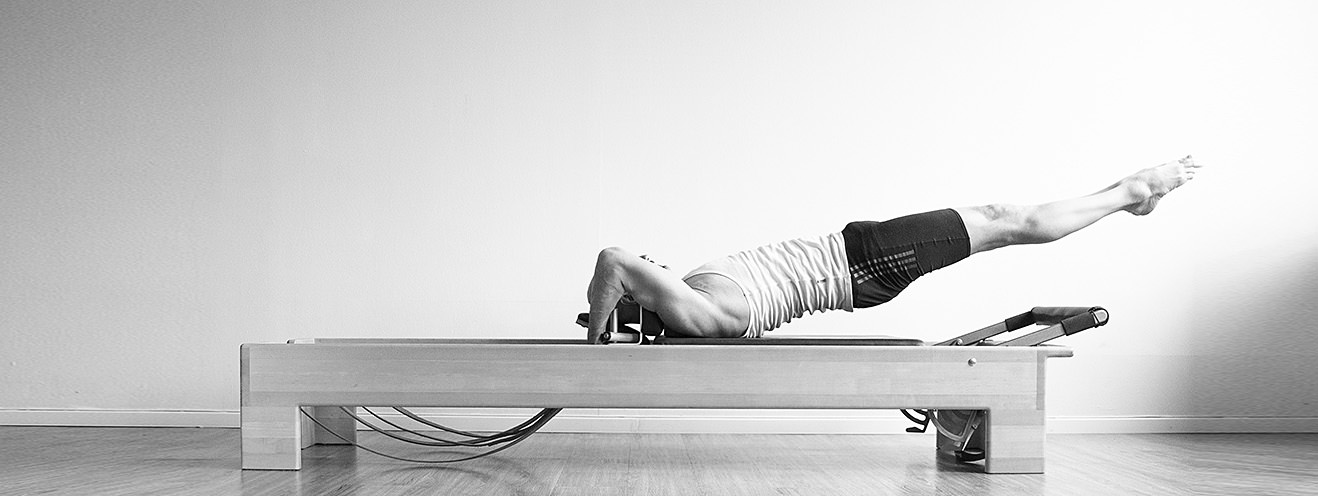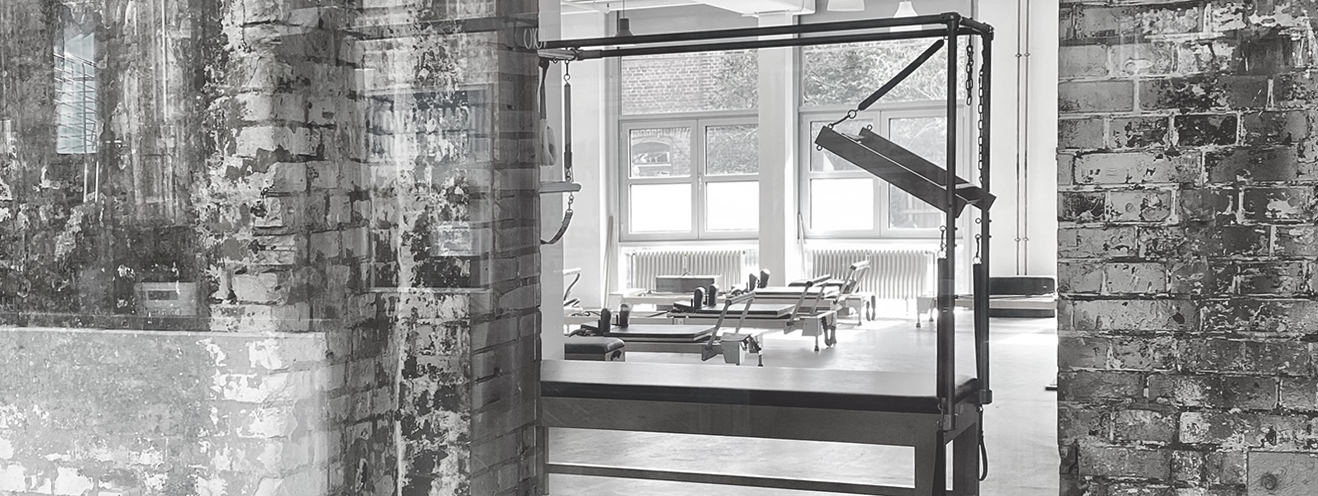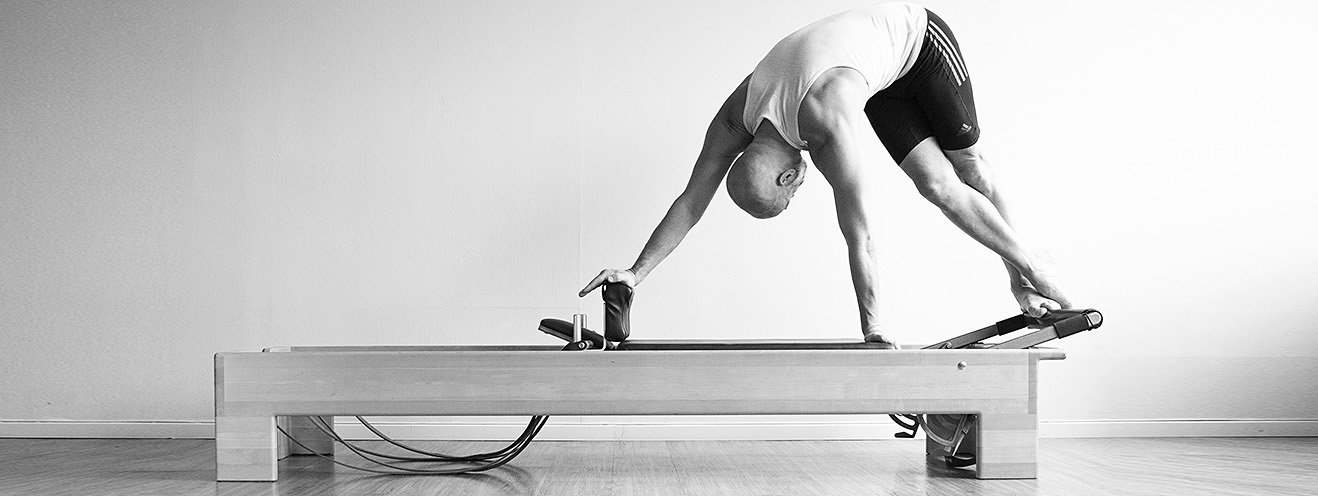
Pilates is training with depth. No loud show, no endless repetitions at turbo speed – but conscious, controlled movement. A start that doesn’t overwhelm you but makes you stronger. Anyone trying Pilates for the first time is often surprised: it looks harmless, feels calm – and then turns out to be more intense than you think.
What is behind it?
Pilates training was developed by Joseph Pilates and is based on the interplay of movement, breathing and concentration. The aim is to support the body in its natural posture and to strengthen the centre – the core. Instead of training large muscle groups in isolation, the whole body works together. Muscles that otherwise tend to stay in the background suddenly make themselves clearly felt.
The movements are precise, usually slow and always combined with consciously guided breathing. It is precisely this interplay that makes Pilates special: it is not only about what you move, but how.
Why is Pilates an ideal way to start?
Pilates starts where your body is right now – and without any pressure to perform. It doesn’t matter how fit you are or whether you have done sport before. The exercises can be adapted to your own level and intensified as you gain experience.
Especially for people with a mostly sedentary everyday life, one-sided strain or tension, Pilates is a valuable counterbalance. Through the gentle but effective activation of the deeper muscles, posture improves over time, the back becomes more stable and balance benefits too. Many people notice after the first few sessions that they feel more upright – and not only during training.
Breathe, feel, move
Breathing is a central element in Pilates. You breathe deliberately into the ribcage – not shallow, not hurried, but calm and deep. This breathing technique helps stabilise the trunk while developing an inner calm that often carries over into everyday life.
At the same time, the so-called “powerhouse” comes into focus – the centre of the body, made up of the abdominal, back and pelvic floor muscles. This area is activated with every movement and contributes to the stability and alignment of the body. At first it feels unfamiliar, but with every exercise your body awareness grows – and so does your confidence in your own strength.
Less pressure, more effect
Unlike many other forms of training, Pilates is not about higher, faster, further. The focus is on quality rather than quantity. Everyone moves at their own pace, with their own body as the measure. That is what makes Pilates so accessible – and at the same time effective.
It is not about managing as many repetitions as possible, but about performing every movement cleanly and with control. This not only targets the muscles specifically, but also strengthens the connection between body and mind.
You’ve made a start – what next?
With regular practice, not only your body changes but also the way you feel in it. You stand taller, move more consciously and feel more stable overall. Once people start, they often don’t want to stop – because the effect of Pilates shows not only in training but is also felt in everyday life.
Whether at home, in the studio or in private training – Pilates can be integrated in many ways. And the best part: it stays exciting even after years, because with every level not only the challenge grows, but also your own understanding of movement, strength and balance.
Pilates is quiet, clear and powerful. It requires no previous knowledge, just openness and a little patience. And in return it gives you something no gym sells: a secure, stable sense of your body from the inside out.