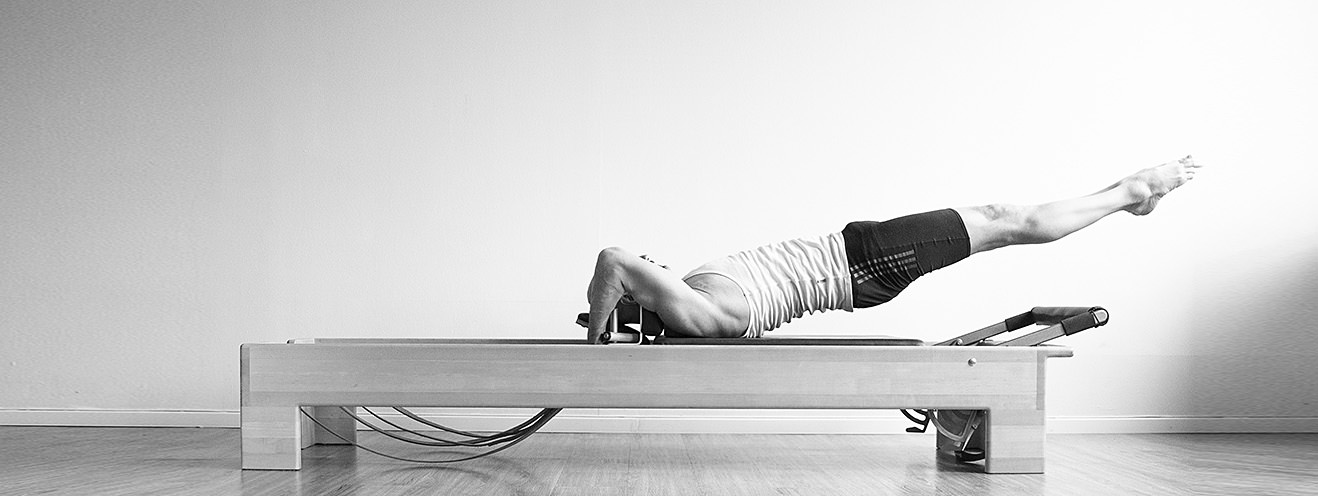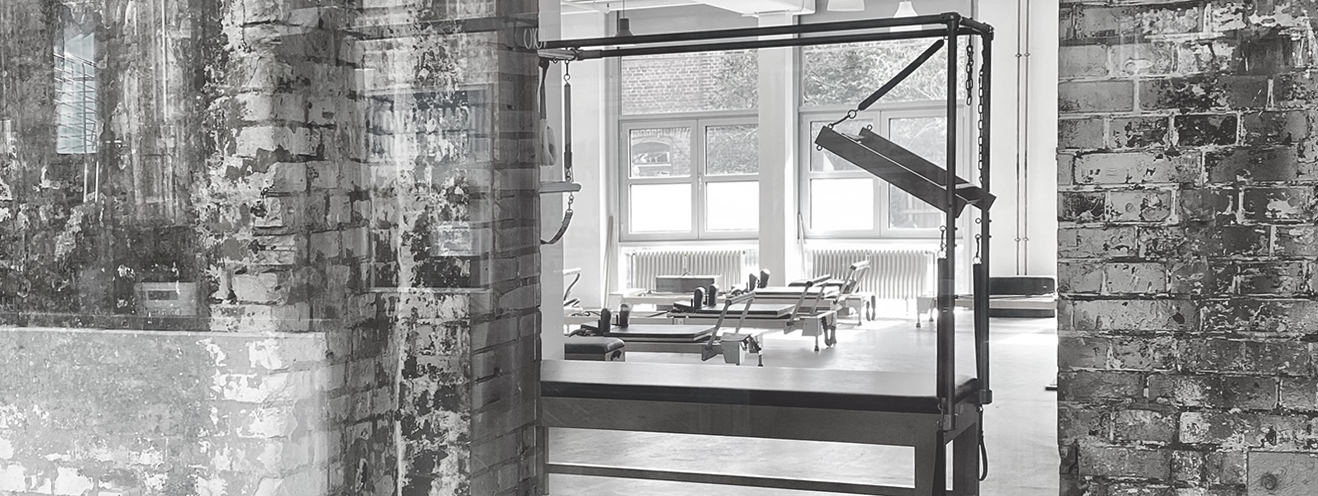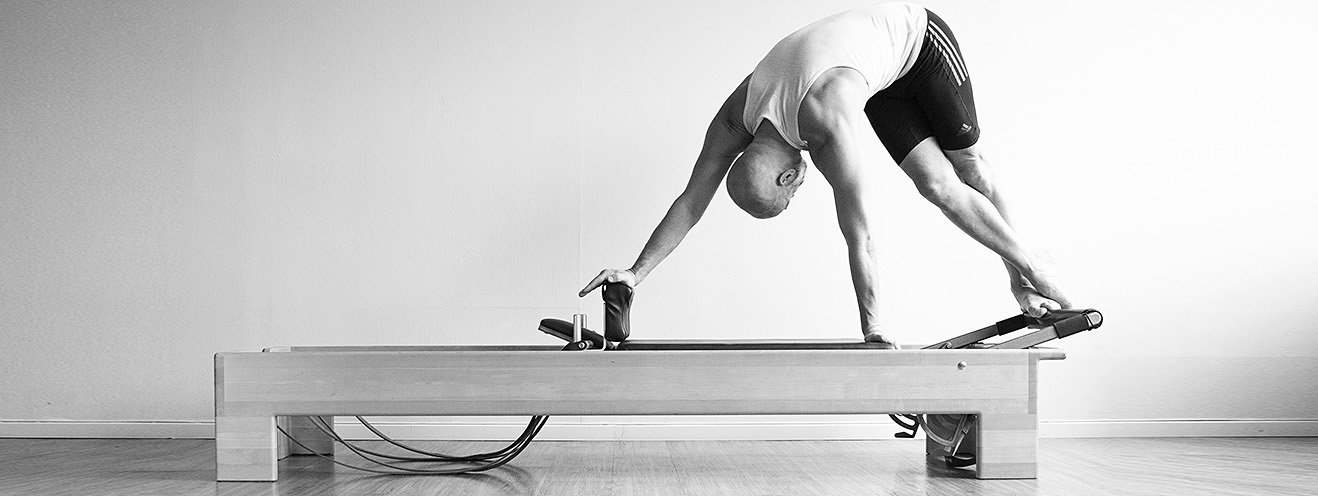
Pilates and dance belong together. When Joseph and Clara Pilates opened their studio in New York in the 1920s, it was right in the middle of the dance scene. Dancers and choreographers came to get stronger, recover from injuries and refine their technique. Nothing has changed to this day. Pilates is a fixed part of training in many ballet companies and dance schools.
A body under maximum strain
Dancers demand extraordinary things from their bodies. Extreme flexibility, jumps, balance on the smallest surface and countless repetitions of the same sequences. These repetitions often lead to imbalances. Certain muscles are overloaded, others neglected. On top of that, high flexibility without enough stability puts the joints at risk.
Strength that protects flexibility
This is exactly where Pilates comes in. It strengthens the deep muscles around the spine, pelvis and hips and gives flexibility a stable base. On the Reformer and the classical studio apparatus you train with spring resistance through large ranges of motion. You not only get stronger, but also learn to use your flexibility with control.
Refining your line
Precision, control, flow – the principles of Pilates are also the principles of dance. On the Reformer you recognise misalignments that have crept in through years of training. A knee that collapses inwards in a plié, a hip that shifts in a développé, a shoulder that hikes up. With targeted corrections and hands-on guidance you work on cleaner alignment and a longer line.
Preventing injuries and finding your way back
Many dancers come to Pilates after an injury. The controlled, joint-friendly movements are ideal for gradually rebuilding strength after a break. Even better is not to be out at all. Regular Pilates strengthens feet, ankles and hips and balances out one-sided strain – effective injury prevention.
Training at stage level
At the advanced levels, Pilates itself becomes an art of movement. Complex sequences, flowing transitions and high precision challenge body and mind. For dancers this is familiar territory – and a new challenge at the same time.
At ElbPilates, in addition to group classes, we also offer private sessions and training in small closed groups – in German or English. Ideal for dancers, performers and stage artists who want to work specifically on their own topics.
Conclusion
More strength, better alignment, fewer injuries: Pilates has been accompanying dancers for almost a hundred years – for good reason.
Sign up for personal training or start with an Intro class. More under prices.