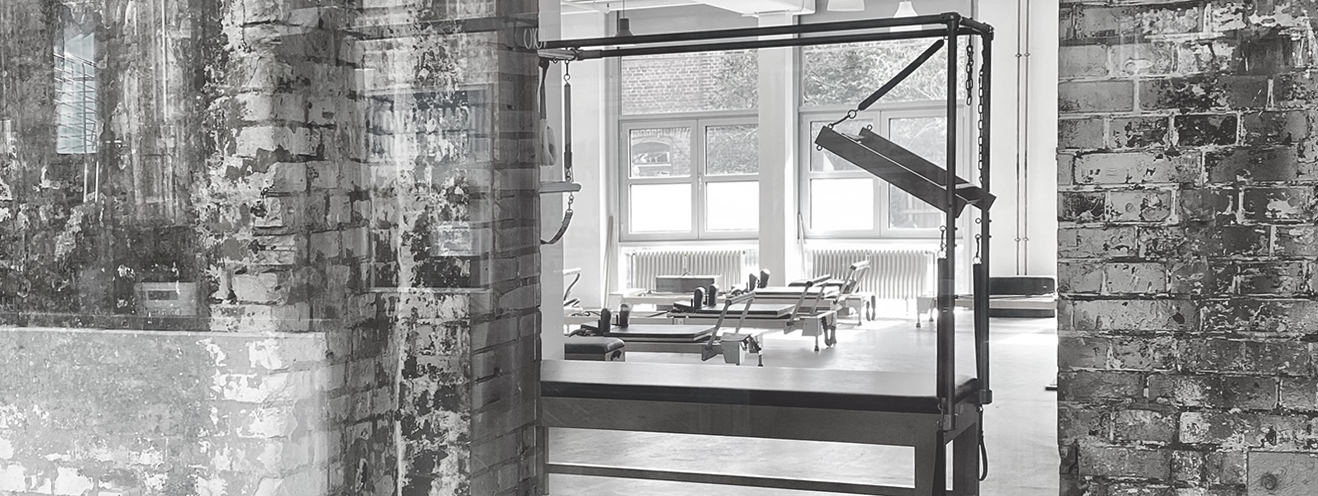
Hamburg is a city on the water. Rowing boats on the Alster, stand-up paddlers on the canals and kayaks on the Elbe are as much part of the cityscape as the Zeisehallen are part of Ottensen. Anyone who paddles or rows regularly knows: your arms are not the engine. The real power comes from your legs, hips and trunk.
Understanding the kinetic chain
In rowing, every stroke begins with the leg drive. The power travels through the hips and trunk into the arms and finally into the oar. If one link in this chain is weak, energy is lost – or ends up in the lower back. Pilates trains exactly this connection. You learn to start movement from your centre and to guide power through your whole body with control.
A stable back
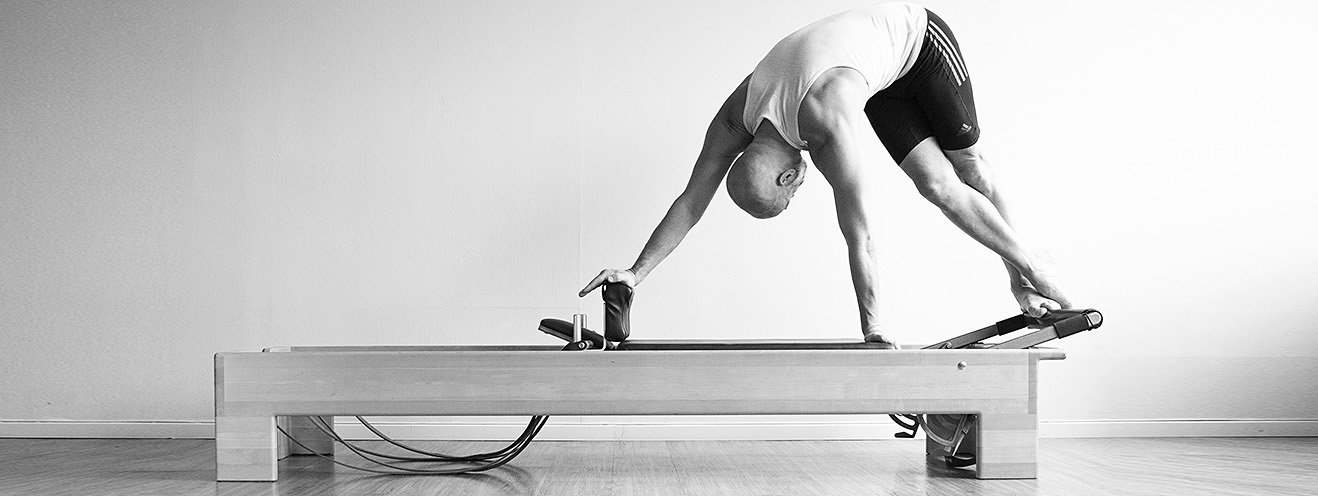
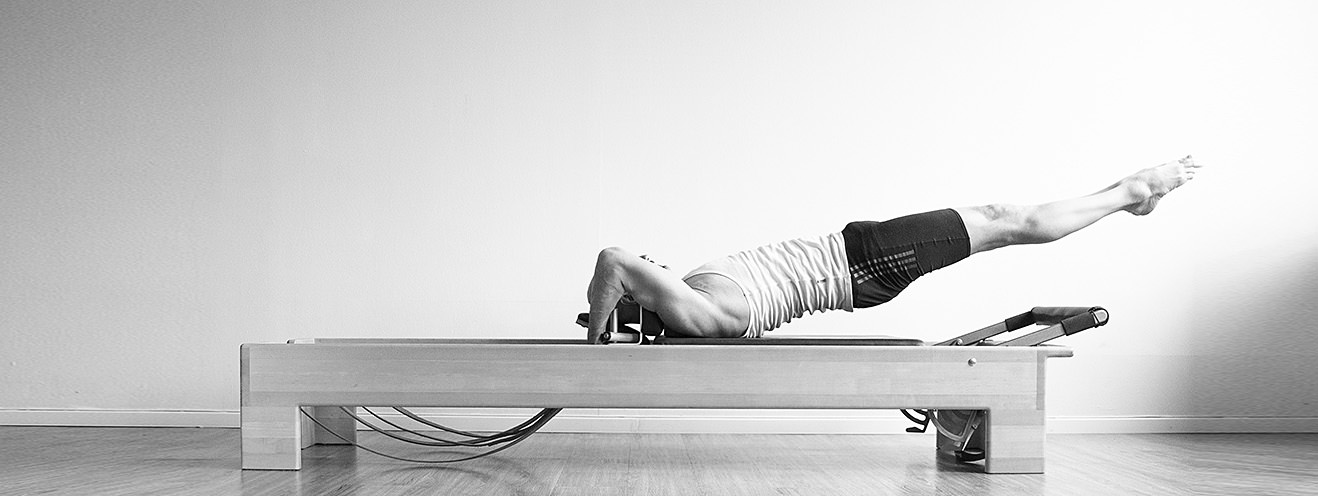
Rowers and paddlers put a lot of strain on their backs, especially in flexion. On the Reformer you strengthen the deep trunk muscles that protect your spine in every position. At the same time you mobilise your thoracic spine and strengthen the muscles between your shoulder blades. That way your back stays resilient even after many kilometres on the water.
Rotation with control
In stand-up paddling and kayaking, rotation is crucial. The paddle stroke comes from turning your upper body, not from your arm. Pilates improves the mobility of your spine in rotation while training control at the same time. You rotate further, more powerfully and more securely – without your pelvis giving way.
Balance on an unstable surface
On a SUP board, every movement is a balancing act. The deep muscles around your pelvis, abdomen and back work constantly to keep you upright. In Pilates you train exactly these stabilising muscles. On the moving carriage of the Reformer you learn to maintain stability even when the surface beneath you moves – ideal training for the board.
Balance for both sides
Many paddlers prefer one side, and sweep rowers always sit on the same side. Pilates balances out these differences. You train both halves of your body evenly and discover where your body gives way or compensates.
Pilates fits perfectly into the water sports season and even more so into the cold months, when the boats stay in the boathouse. One or two Reformer sessions a week are enough to maintain strength and mobility.
Conclusion
Power from your legs, stability from your core, rotation without back pain: Pilates trains exactly the connection that makes rowing and paddling effective.
At ElbPilates in the Zeisehallen you train in small groups with personal guidance. You’ll find all dates in the timetable.