Whether an after-work run along the Elbe, a long run around the Alster or training for the Hamburg Marathon: running is one of the most honest sports there is. Shoes on, out the door, go. But this simplicity comes at a price. Thousands of steps in the same direction of movement, the same muscles over and over again – and at some point your knee, Achilles tendon or lower back starts to complain.
Every step begins in the centre
When you run, a multiple of your body weight lands on one leg with every step. To absorb this force cleanly, you need stability – not just in your legs, but above all in your trunk and hips. This is exactly where Pilates comes in. The deep abdominal and back muscles, the pelvic floor and the lateral hip muscles are strengthened in a targeted way. The result: your pelvis stays calmer, your upper body more upright, and your energy goes forward instead of sideways.
Leg alignment and feet
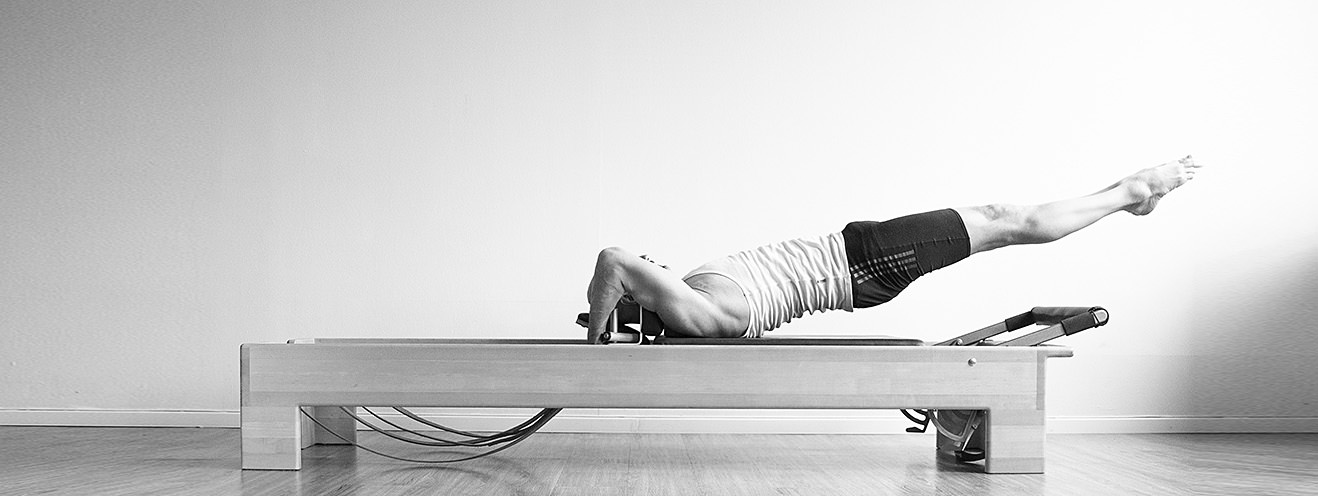
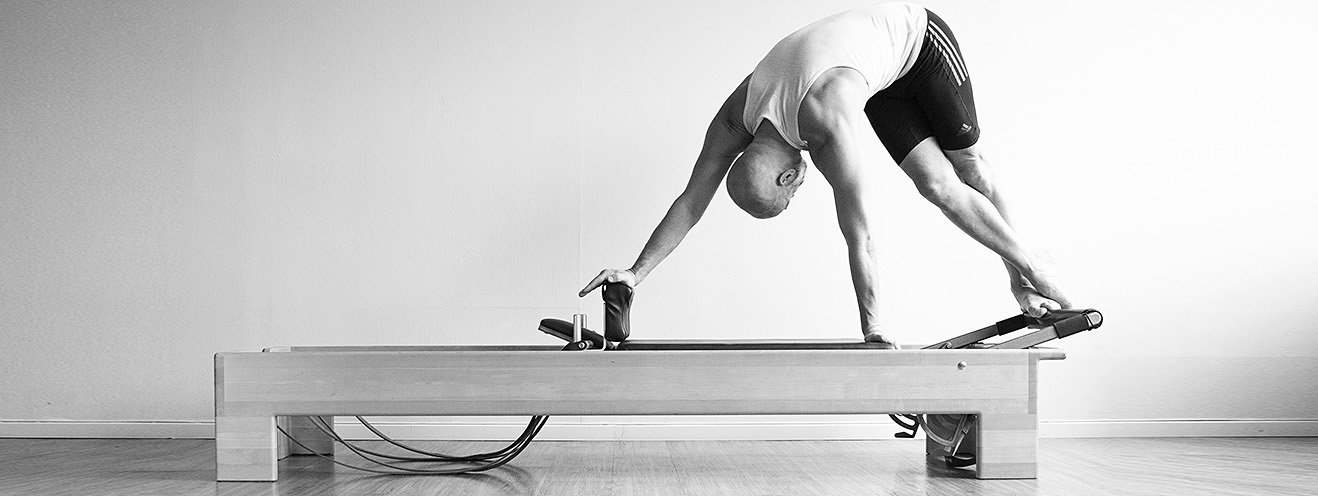
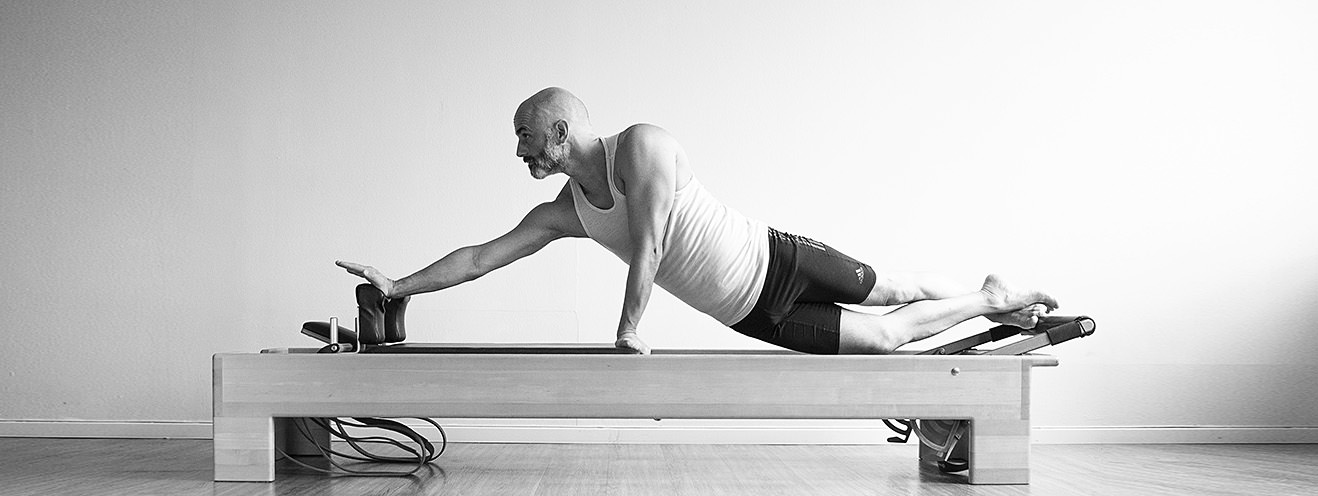
Many running complaints originate in unstable leg alignment. If your knee collapses inwards on landing, the load ends up where it doesn’t belong. On the Reformer you train footwork, leg alignment and hip control with spring resistance – precisely, with control and without impact. You feel where your knee is pointing, how your foot rolls through and when your hip gives way. You take this body awareness with you on your runs.
Mobility that makes you faster
Runners tend to have shortened hip flexors, tight hamstrings and a stiff thoracic spine. Pilates strengthens and stretches at the same time. Longer, more supple muscles allow a freer stride and more economical movement. If you run relaxed, you run longer.
Breathing sets the rhythm
Breathing also plays a central role in Pilates. You learn to breathe deep into your ribcage and connect your breath with movement. Many runners report that this helps them breathe more calmly and evenly when running, too – a noticeable advantage, especially in the last few kilometres.
The perfect addition to your training plan
Pilates doesn’t replace a run, it makes it better. One or two Reformer sessions a week are enough to feel a difference. Pilates is ideal on easy days or as active recovery after long runs. Your joints are spared, your muscles are challenged, and your mind gets a break from counting kilometres.
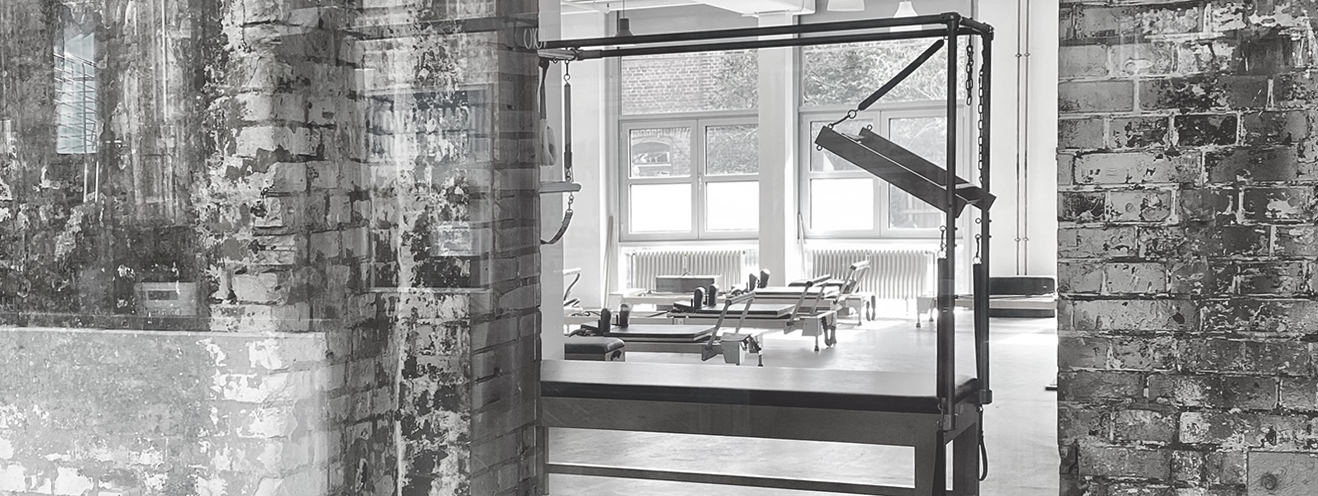
At ElbPilates in the Zeisehallen you train in small groups of up to 10 people. Just tell your instructor that you run – we will pay special attention to leg alignment, hips and core.
Conclusion
A strong core, stable leg alignment, free hips: Pilates gives you exactly what often falls short in running. For better performance, cleaner technique and a body that keeps up with your sport for many years to come.
Curious? In the timetable you’ll find all Intro classes to get started.