Whether laps in the Holthusenbad, open water in the Alster or the Hamburg Triathlon in summer: anyone who swims knows how much technique goes into every stroke. And anyone who does triathlon knows the balancing act of fitting three disciplines into one body. Pilates helps with both.
Your core keeps you long
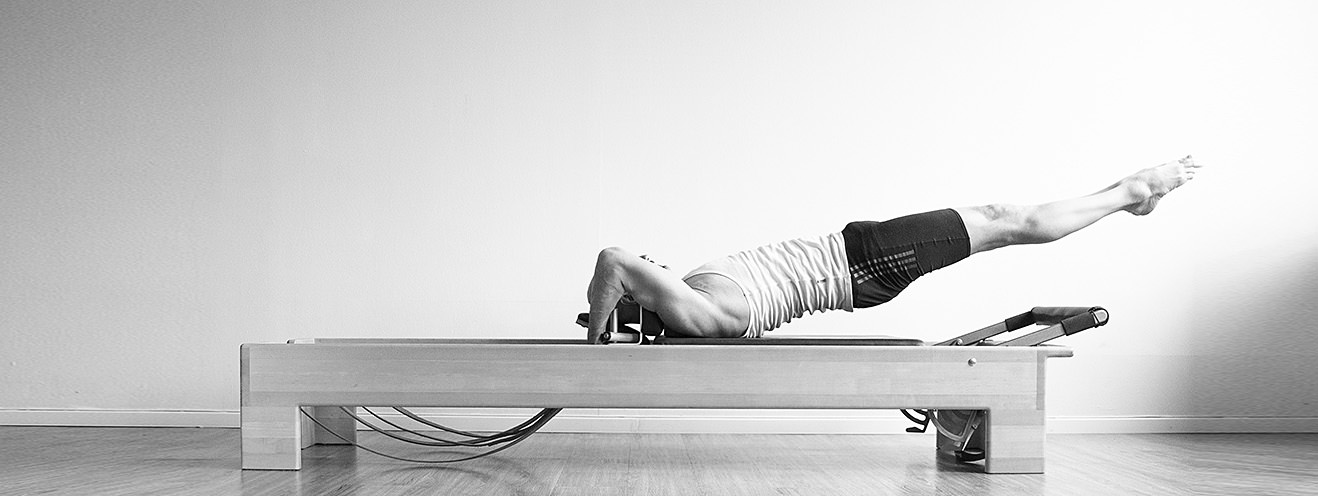
In the water there is no solid ground. Your stability has to come from your own body. A strong core makes sure your hips and legs don’t sink and that you lie long and flat in the water. These are exactly the deep trunk muscles you train in Pilates – with control, precision and full attention. A better body position means less drag and more speed for the same effort.
Free shoulders, a mobile thoracic spine
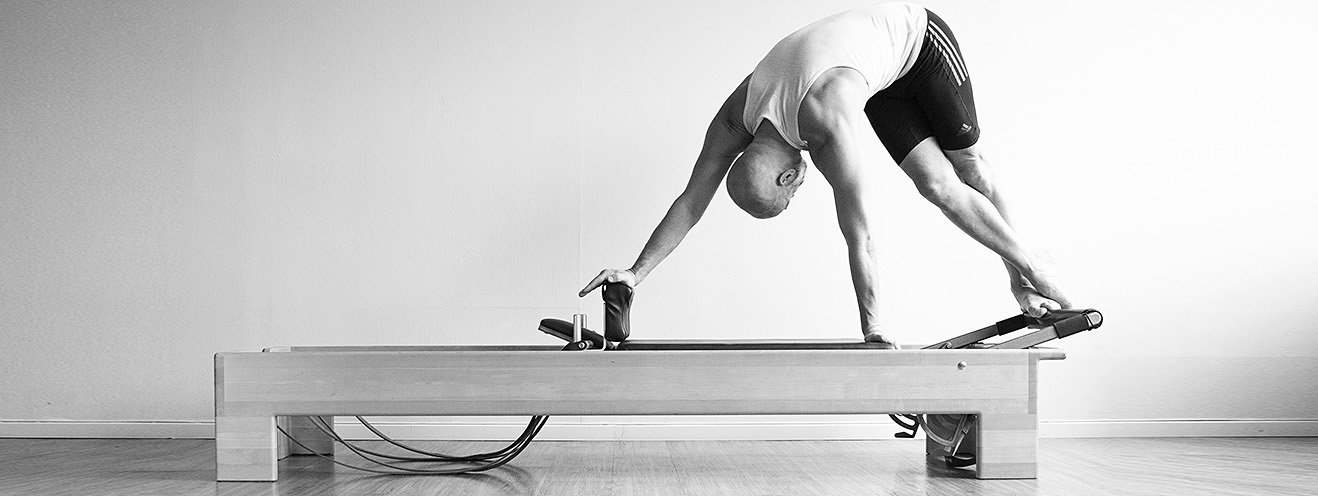
Swimming demands a lot from your shoulders. A long, powerful stroke requires mobility in the shoulder joint and thoracic spine as well as stable shoulder blades. On the Reformer you work with springs and straps through large, controlled ranges of motion. You mobilise what is stiff and strengthen what should stabilise. This protects your shoulders from overload and improves rotation in front crawl.
Controlling your breath consciously
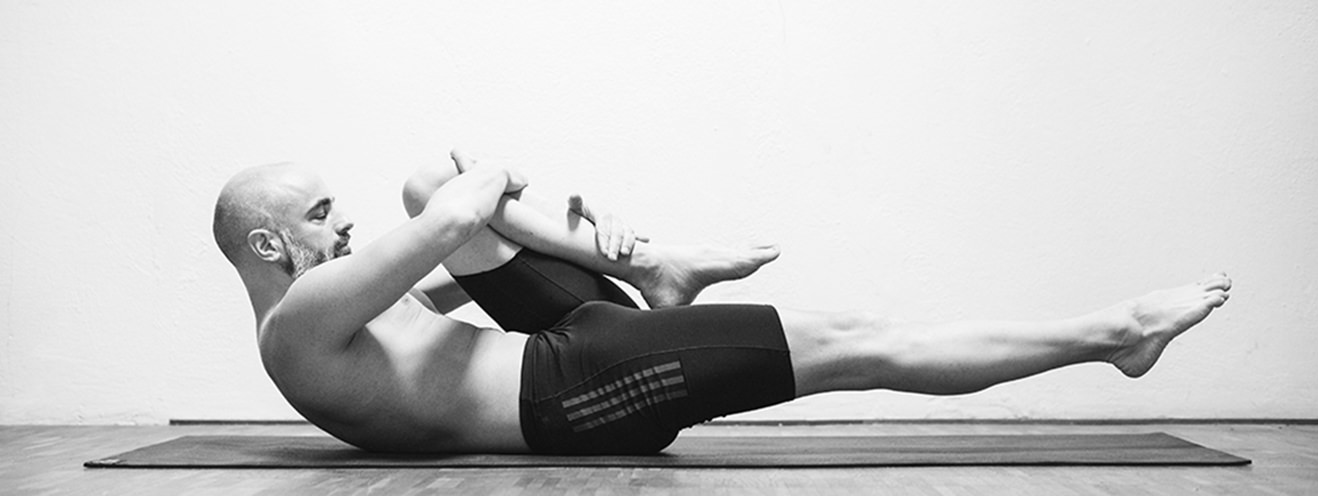
Breathing plays a central role in Pilates. You learn to breathe deeply and evenly into your ribcage and to link your breath to movement. In the water, where every breath has to be timed, this control is worth its weight in gold.
Three disciplines, one body
For triathletes, Pilates is the ideal counterbalance. Swimming mainly works the shoulders and trunk, on the bike the hips stay closed for hours, and running puts high impact loads on knees and feet. Pilates connects it all: it strengthens your core, opens your hips, stabilises your leg alignment and balances out one-sided strain.
Recovery with focus
In a full training plan, Pilates is a calm, joint-friendly session. No maxed-out heart rate, no impact – yet it challenges your muscles in a new way. Many athletes use the Reformer class on easy days or during the off-season. One or two sessions a week are enough to feel the effect.
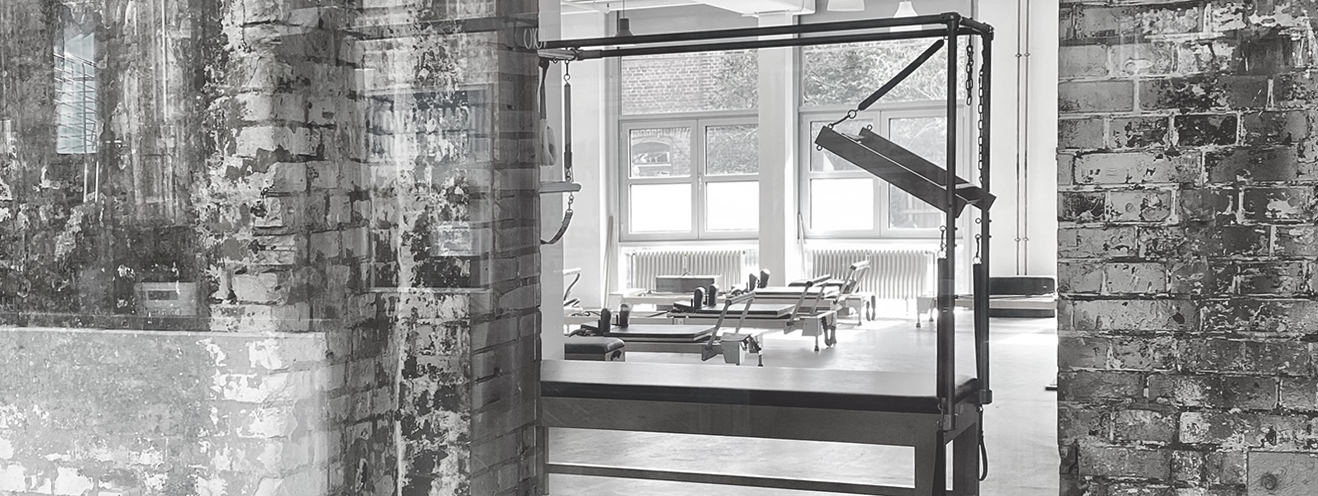
At ElbPilates in Ottensen you train classical Pilates in small groups of no more than 10 people. Without music, with clear focus – and with instructors who look closely.
Conclusion
A better position in the water, freer shoulders, a stable core and more balance between the disciplines: Pilates makes you not only a better swimmer, but a more stable athlete.
Get started with our Intro classes in the timetable.