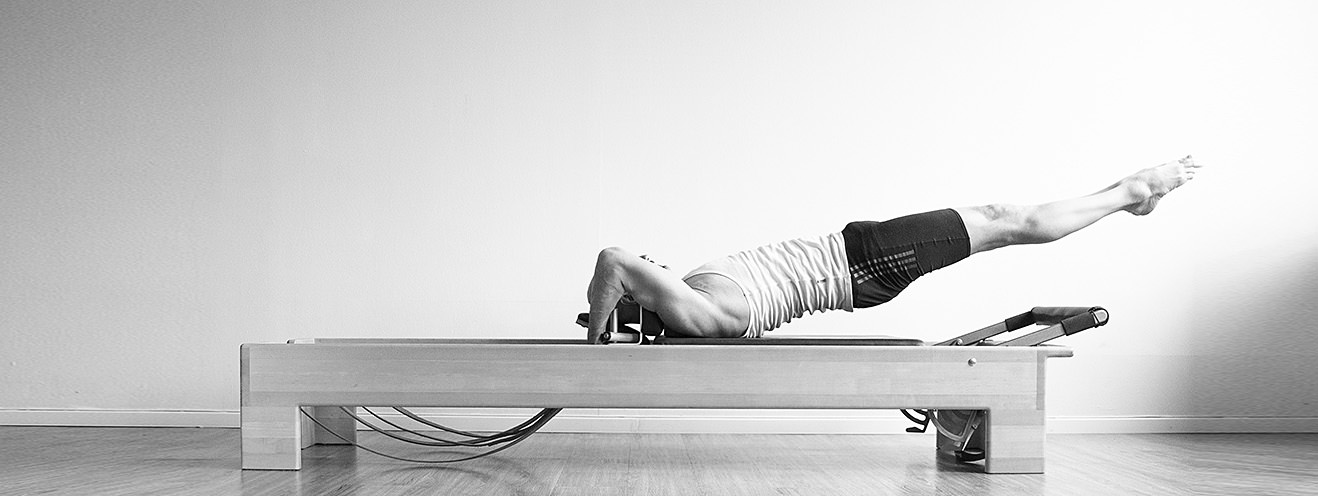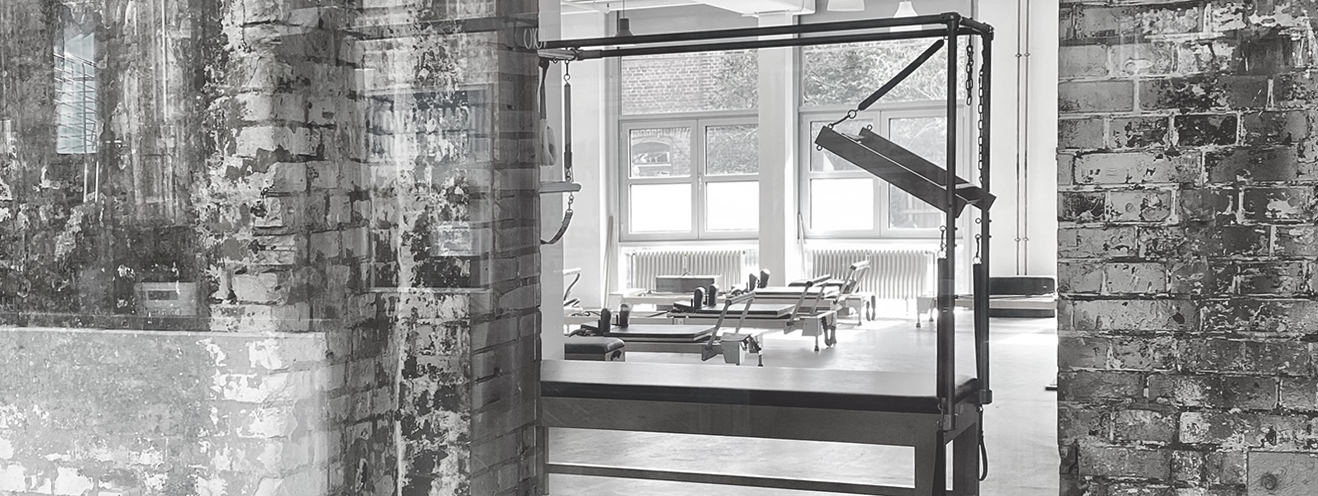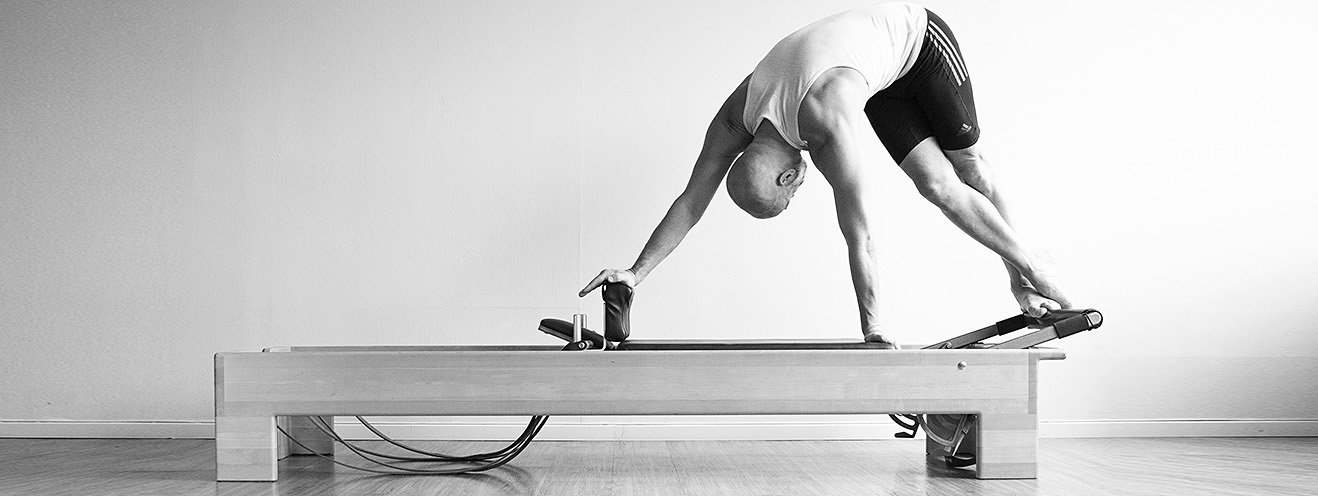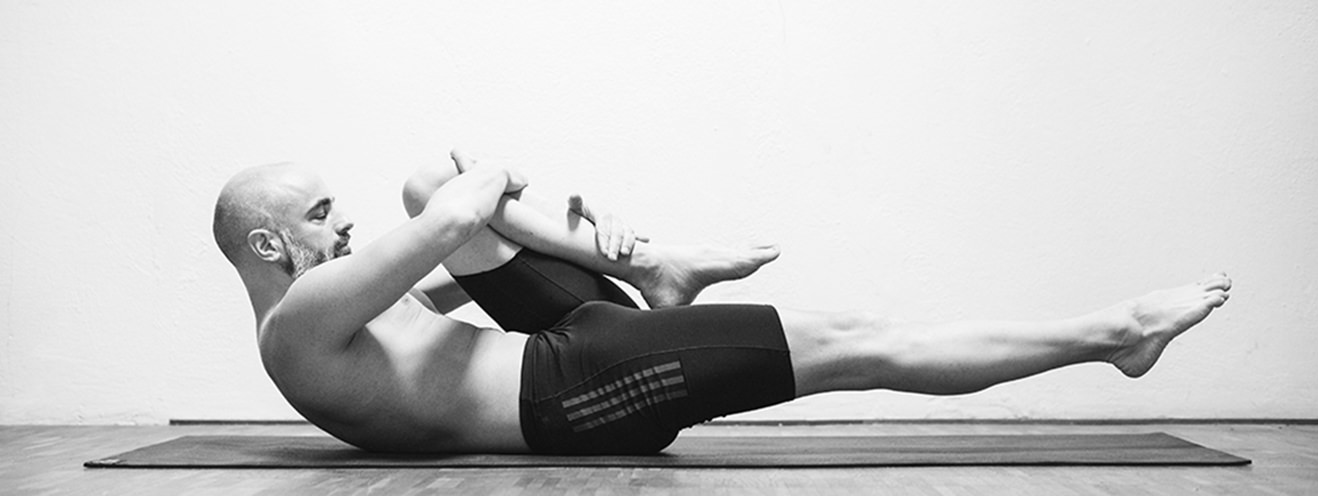
Pilates is not a workout where you listen to podcasts on the side or count repetitions. Behind every exercise are six principles derived from the work of Joseph Pilates. They make the difference between just moving and really training. If you understand them, you understand Pilates.
Concentration
Body and mind work in harmony. Every movement needs your full attention. Where is my pelvis? What is my shoulder doing? How am I breathing right now? This concentration creates an intense connection with your own body. That is why we train without music at ElbPilates – real focus needs calm.
Control
Joseph Pilates originally called his method Contrology. No coincidence. Every movement is deliberately guided; nothing happens with momentum or on autopilot. Strength comes from quality, not quantity. Ten controlled repetitions achieve more than thirty fast ones.
Centring
Strength lies in the centre. The deep muscles around the pelvis, abdomen and back – often called the powerhouse – stabilise the body from the inside out. Every movement starts here. A strong centre relieves the spine, improves posture and gives arms and legs a stable base.
Breathing
Breathing accompanies every movement. It supplies the body with energy, helps release tension and gives the training its rhythm. In Pilates you breathe deeply and widely into the ribcage while the core stays stable. Used correctly, breathing increases strength.
Precision
Details make the difference. Every exercise is performed exactly in order to activate specific muscle groups in a targeted way. A few centimetres in the position of your foot or pelvis change which muscles are working. That is why our instructors correct with words, hands and a trained eye.
Flow
The movements glide into one another harmoniously and with control, without rushing. As you gain experience, individual exercises become flowing sequences. The body stays in motion, carried by the rhythm of the breath. At the advanced levels, this flow becomes the real goal.
How the principles work together
None of the principles stands alone. Without concentration there is no control, without centring no precision, without breathing no flow. At the beginning you may only be able to focus on one or two principles at a time. That is completely normal. With every class they connect more – until at some point the movement feels completely natural.
Right from the start
In our Intro classes we lay exactly these foundations. You learn to activate your centre, breathe correctly and guide movement with control. Only when the foundation is solid do you move on to the next level.
Conclusion
Six principles, one goal: a strong centre, upright posture and a new sense of your body. That is classical Pilates.
Experience the principles yourself in an Intro class in the Zeisehallen. All dates in the timetable.