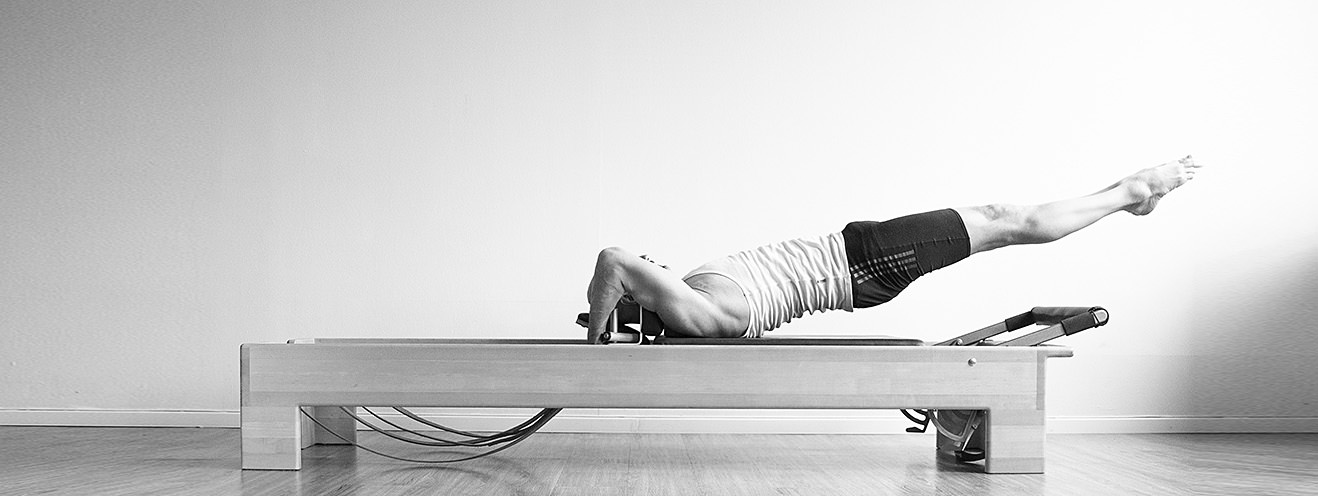
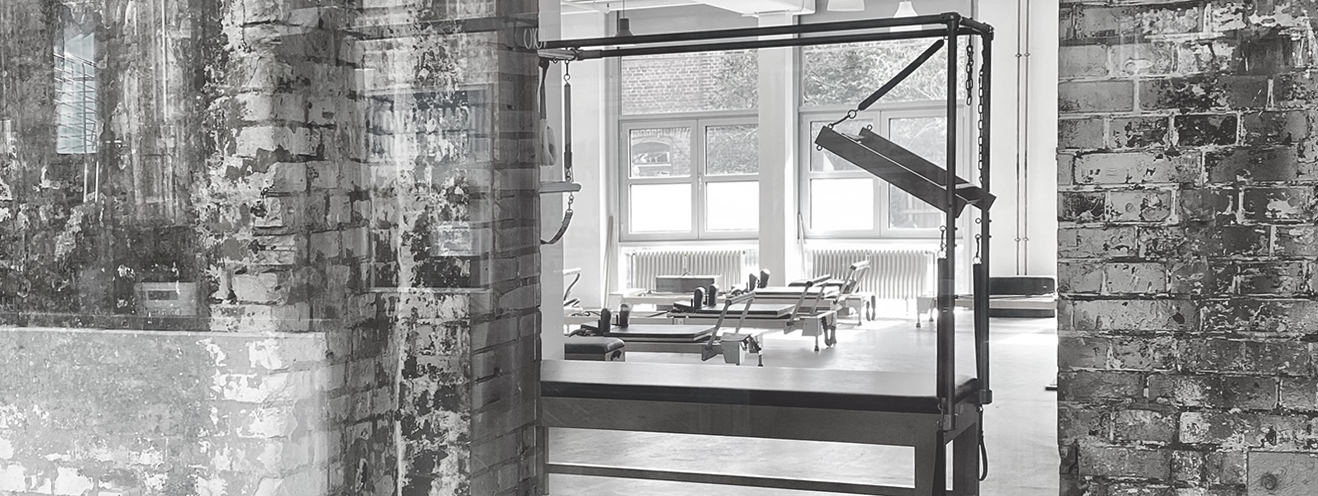
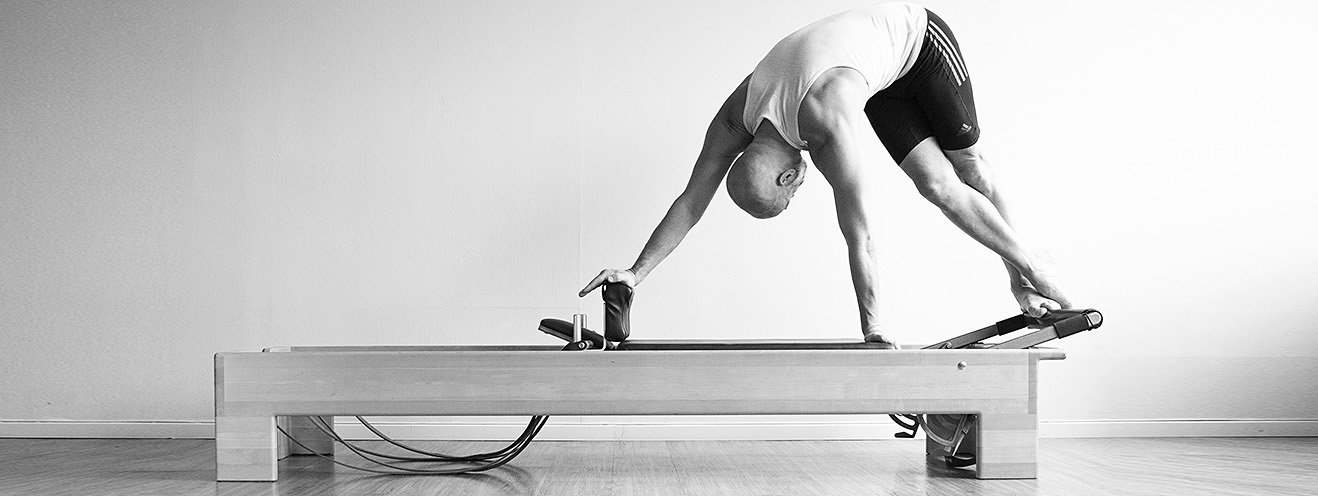
Sometimes it takes a detour to get back to where it all began. Today Pilates is known all over the world – as an effective, holistic workout for body and mind. But few people know that its roots lie in Germany. In Mönchengladbach, to be exact. And now, after almost a hundred years, Pilates is finally returning – to the place where the idea was once born. Welcome back home.
From Mönchengladbach to New York – and out into the world
Joseph Hubertus Pilates was born in western Germany in 1883. From an early age he was interested in movement, health and the question of how to bring body and mind into harmony. As a young man he was often ill himself, which motivated him all the more to find his own ways of developing strength and stamina – not through raw muscle power, but through body control, precision and awareness.
During the First World War he was interned in England, where he began working with wounded soldiers. With creativity, bed frames, springs and a feel for body mechanics, he developed his first apparatus – including what would later become the Reformer. After the war he emigrated to the USA and opened his first studio in New York. The rest, as they say, is history.
What was created there became the foundation of a holistic training system: Contrology – known today as Pilates.
What makes Pilates so special
Joseph Pilates was far ahead of his time. Long before anyone talked about “core training”, “functional fitness” or “mind-body concepts”, he had recognised how crucial the centre of the body is for posture, movement and health. His approach was radically modern: training should not wear you out but make you stronger. Not superficial, but deep.
The six principles his system is based on – concentration, control, centring, breathing, precision and flow – are still relevant today. And perhaps especially in demand right now.
Back in Germany: more than a trend
For a long time, Pilates was mainly popular in the USA, Australia and the UK. In German gyms it led a shadowy existence for a while, somewhere between strength training and back classes. But that is changing – noticeably and visibly.
More and more studios offer well-founded Pilates classes, demand is rising, and the benefits of the training are also being recognised in the medical field. Particularly pleasing: men, newcomers to sport and older people are also discovering Pilates for themselves – not as a trend, but as a sustainable, holistic method.
What does “Pilates is coming home” mean?
It means that a training method that once went out into the world from Germany is now gaining importance again – in the country where its inventor was born. And it also means a return to what Pilates is really about. Not show, not fast living – but depth, structure and noticeable change.
Whether in group classes, Reformer studios or private sessions – Pilates is back. As an invitation to everyone who wants to reconnect with their own body. And as a reminder that good ideas sometimes need a journey around the world before they are recognised.
Conclusion: a homecoming with poise
Pilates is coming home. Not nostalgic, but clear, modern and effective. And it brings something with it: strength, posture, mobility – from the inside out. Joseph Pilates would probably be amazed at how relevant his method is today. And probably a little proud that his idea is returning to where it once began.